
Advanced Technology
As a fully automated manufacturer, we offer rapid production capabilities, ensuring your parts are delivered quickly and accurately, even for bulk orders.
Traditional cutting methods can distort or wear material at the cut edge. Waterjet cutting avoids that entirely, using a high-pressure stream of water and abrasive material to cut with zero heat-affected zone, so the material keeps its original properties right up to the edge.
Multi-axis capability and consistent tooling mean waterjet pairs seamlessly with our digital die cutting process, turning your CAD file directly into an accurate, custom-shaped part without a hard tool.
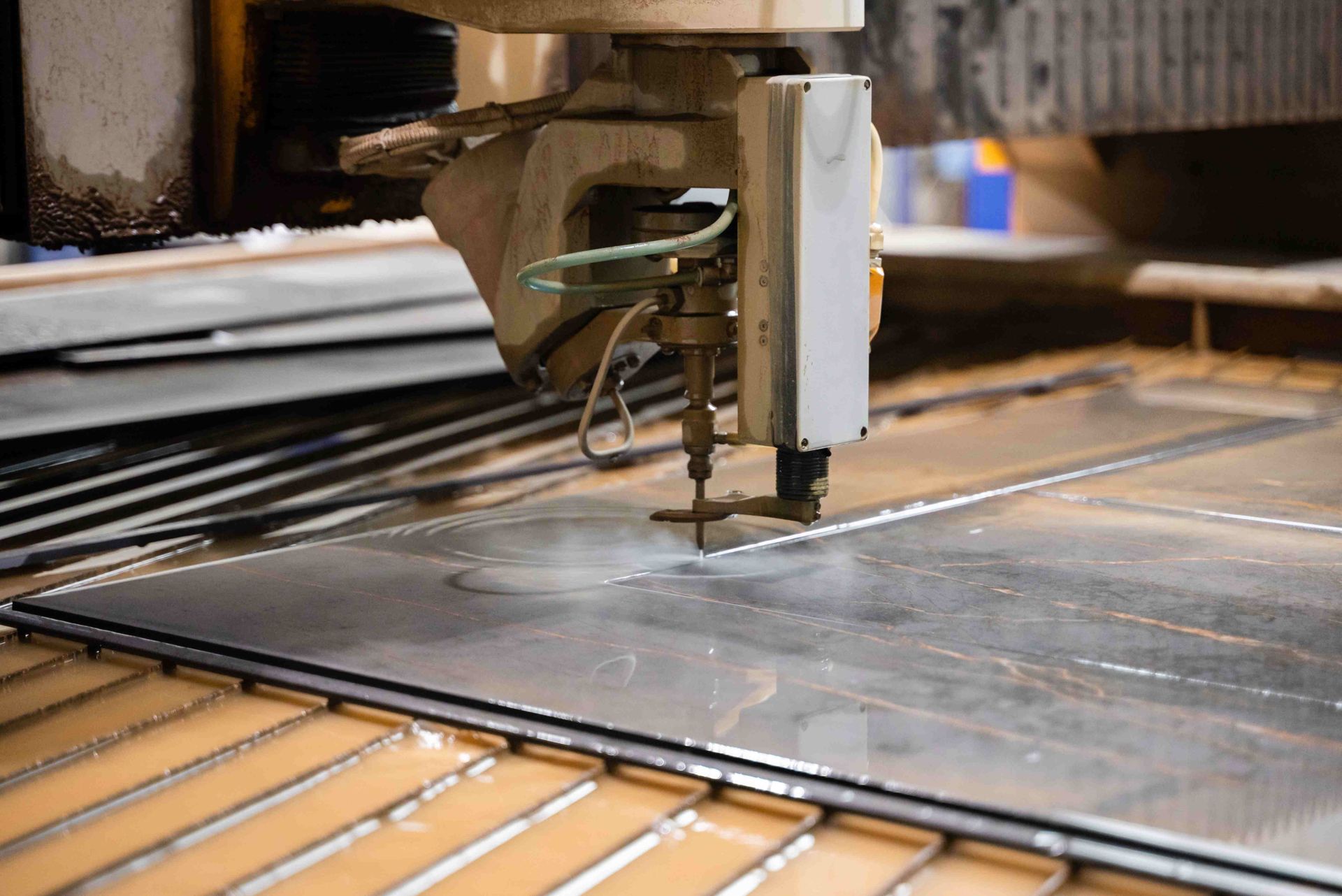
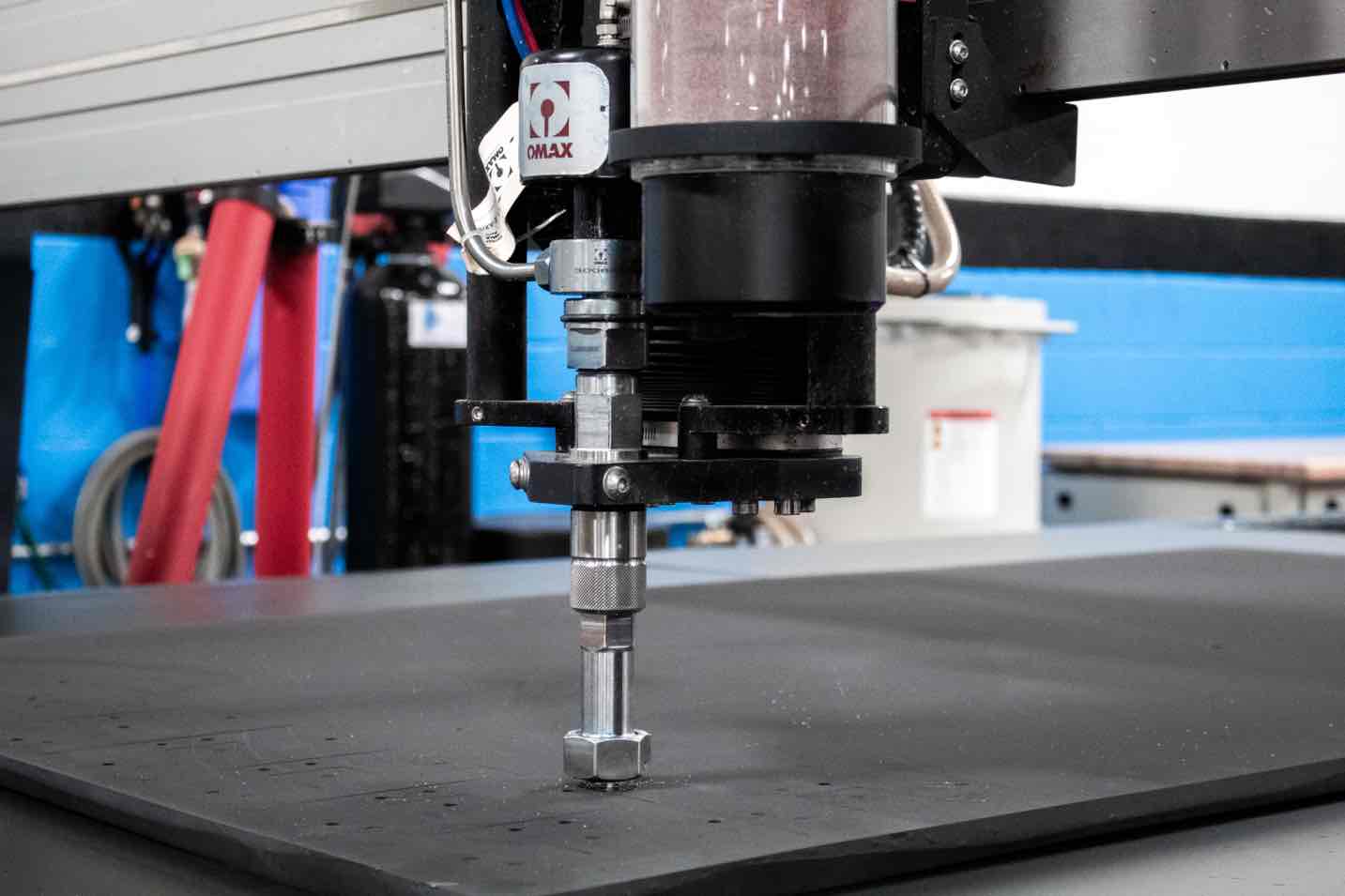
Waterjet cuts both hard and soft materials without changing how the material behaves at the edge, useful when a heat-sensitive material or a tight tolerance rules out laser or blade cutting.
It produces complex forms with exact dimensions and a smooth finish, ideal for demanding industrial applications that need a clean edge the first time, with minimal need for secondary processing.
Accurate components for aerospace, automotive, and electronics work, with clean cuts and no heat-affected zone to distort tight tolerances.
Large and complex parts cut with clean edges and smooth finishes, minimizing the need for secondary processing.
High-performance sealing solutions cut to your specifications, from standard gasket sheet stock to less common materials.
One process cuts foam, rubber, metals, and composites alike, thick or thin, without switching tooling between materials.
Composite and multi-layer materials shaped into high-strength, lightweight components with exact dimensions and a smooth finish.
No hard tooling required, so a design moves from CAD file to physical prototype quickly, well suited to testing before committing to production.
Waterjet cutting handles foam, rubber, metals, and composites in one process, from high-durometer neoprene or plastics to low-durometer foams and rubbers, without altering material properties, whether the part calls for a soft, heat-sensitive material or a rigid one a blade or laser can't cut cleanly.
Browse materials for waterjet cutting ›Waterjet-cut parts for these industries, matching the confirmed list already used across our other cutting capabilities.
As a fully automated manufacturer, we offer rapid production capabilities, ensuring your parts are delivered quickly and accurately, even for bulk orders.
We offer rapid prototyping services to bring your concepts to life allowing you, to perfect your designs before deployment to full-scale production scales.
Our proprietary technology platform seamlessly integrates your specifications into the design process, providing instant updates and ensuring precise control over the final product.
Our automated digital manufacturing platform rapidly reviews your CAD files and identifies the best tool for the job from our 8 industrial cutting technologies.
With Rapid Die Cut, you can validate materials, test designs, and move from prototyping to full production — all through one partner.

Stay Connected!


Rapid Die Cut
33460 Lipke St
Clinton Twp, MI
48035-4219
United States
(586) 948-8820
customerservice@rapiddiecut.com© 2019 – 2026 Rapid Die Cut. All Rights Reserved. | Privacy Policy | Cookie Policy | Terms of Use | Legal Notices
We use cookies to provide you a better user experience on this website. Cookie Policy


